July 7, 2026 · 5 min read
Two plants, the same name, very different oil. Here is what wild harvesting does to potency, aroma and extraction quality.
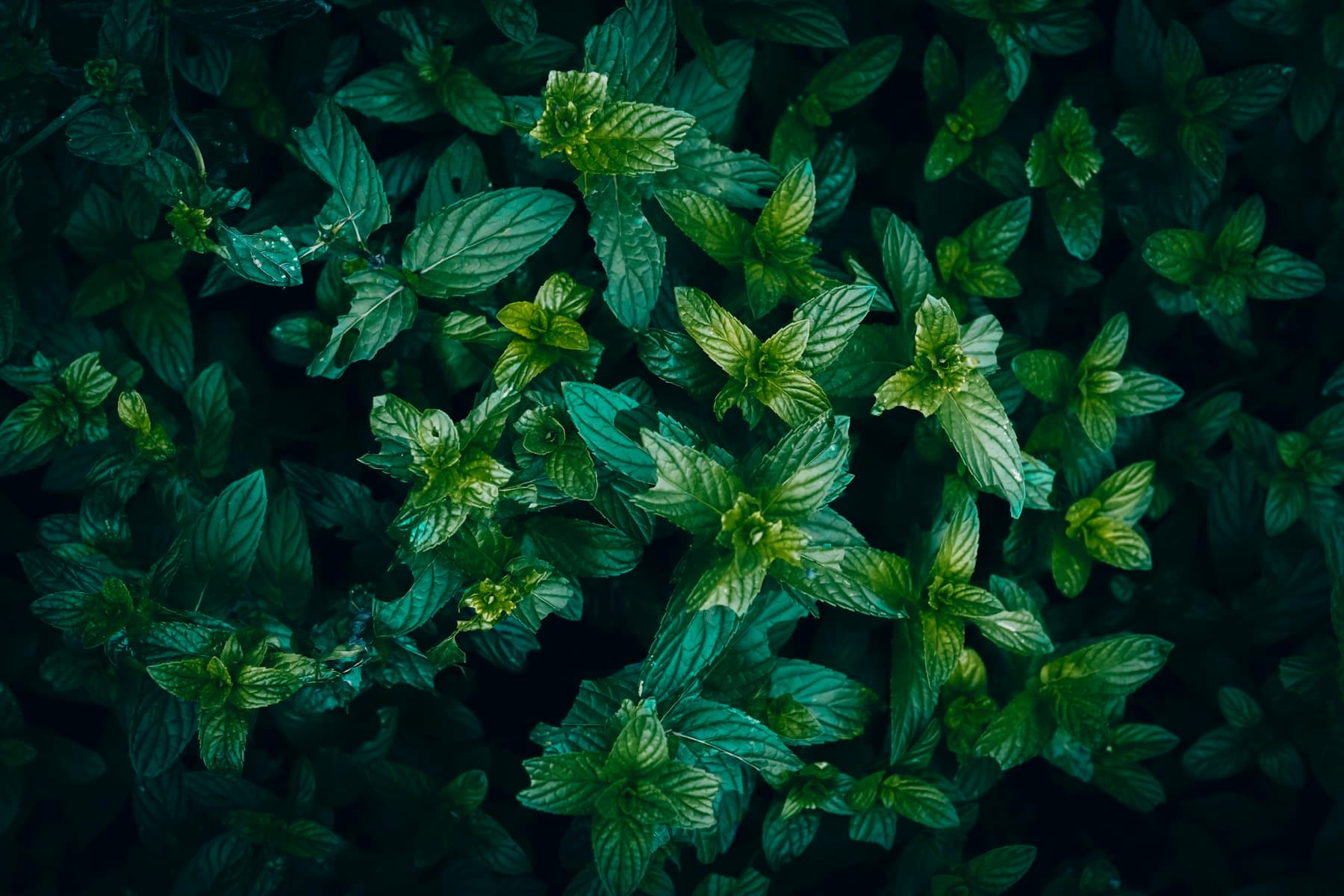
Walk down a supplement aisle and every mint product reads the same. Mint is mint. In practice the growing conditions behind that word change the finished oil more than almost anything else on the label.
Cultivated mint is grown for yield. Even rows, controlled water, predictable harvest windows, and often synthetic growth aids to push the crop along. That produces a lot of plant matter quickly, which is exactly what a commodity supply chain wants.
Wild mint grows on its own terms. It competes for water and light, it deals with weather it did not choose, and nothing artificially accelerates it. That stress is not a flaw. Plants under mild environmental pressure concentrate more of their aromatic compounds, because those compounds are part of how the plant defends itself.
Three things follow from wild harvesting:
Japanese wild mint has a long track record and a supply chain that takes traceability seriously. We can follow the material back to where it grew, which matters more to us than shaving a few points off the ingredient cost.
Wild harvesting is slower, more expensive, and harder to scale. It is not a magic word. What it buys you is a more concentrated, cleaner starting material, and that is worth being specific about rather than vague.
Better ingredients. Better balance. Better health.
Written by The MASULY Team. This article is educational and is not medical advice. Speak to a qualified healthcare professional about your own situation.